
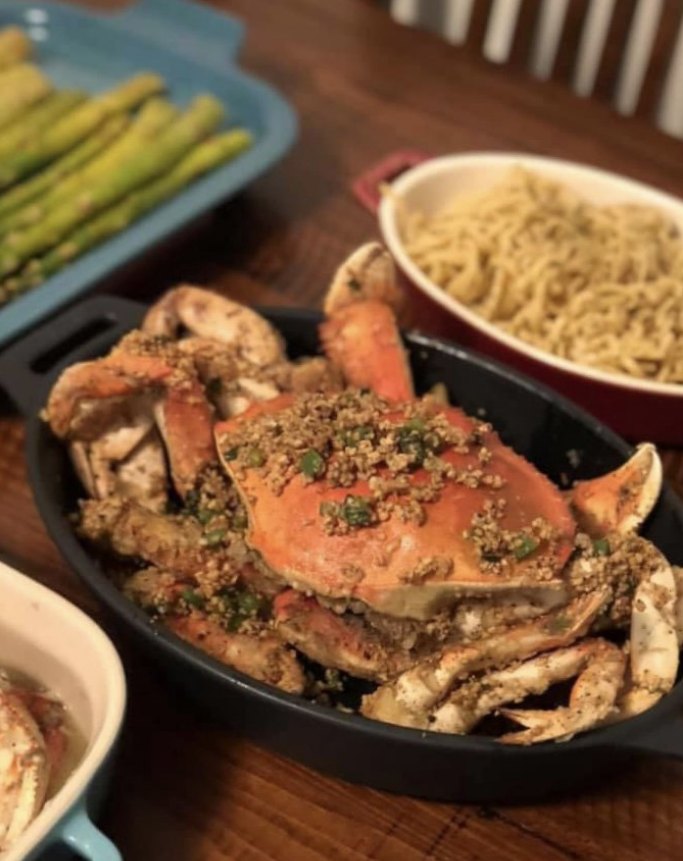
It’s a Tuesday night in the Inner Sunset, and a couple is sitting at one of your best two-tops, splitting your salt-and-pepper crab and telling each other this is the best meal they’ve had in months. They tip well. They tell the host they’ll be back. And then they walk out onto Irving Street, get swallowed by the fog, and you never see them again — because you have no way to reach them. You don’t have their email. You don’t have their number. The only way you can talk to them now is to hope the Instagram algorithm puts you back in front of them someday, competing with every other restaurant from the Marina to the East Bay for three seconds of their attention.
That’s the quiet leak in almost every Bay Area restaurant we audit. Owners pour money and energy into social media to fill the room once, and then let the most valuable people they’ll ever meet — the ones who already paid, already loved it, already want to come back — walk out the door anonymous. Email and SMS are how you close that leak. They’re not flashy, they don’t go viral, and they are, dollar for dollar, the highest-return marketing a restaurant can run. This is the playbook we use to turn one-time diners into regulars who come back without being chased.
Social media gets them in the door. Email and SMS get them back.
Discovery and retention are two different jobs, and most restaurants only do the first one. Reels, TikTok, your Google Business Profile, the influencer who tagged you — that whole machine exists to introduce you to people who don’t know you yet. It’s loud, it’s rented, and it’s wildly competitive. Email and SMS do the opposite job: they keep you in front of people who already know you’re good. A diner who’s eaten your food and given you their number is worth ten cold scrollers in the Mission, and bringing them back costs you a fraction of what it cost to find them the first time.
Here’s the part that should bother you: a great Friday Reel might earn you 20,000 views and a handful of walk-ins. A single Thursday-afternoon text to 800 past guests — “Dungeness season just started, we’re running garlic crab all weekend, reply CRAB to grab a table” — will quietly do more for Friday’s covers than the Reel ever will. One of those channels you’re renting from a platform that can change the rules tomorrow. The other you own outright. Both matter, but if you’ve only built the first one, you’ve built half a restaurant marketing program.
The list is the only audience you actually own
Your follower count is a number a platform lets you borrow. Instagram decides how many of your followers see your post — these days it’s often fewer than one in ten. Change the algorithm, change the rules, throttle organic reach to sell more ads, and your “audience” evaporates overnight with nothing you can do about it. We’ve watched Bay Area restaurants with 30,000 followers struggle to get 50 people to notice a menu change. The followers were never really theirs.
An email list and a text list are different. Those are direct lines to a human being who raised their hand and said you can contact me. No algorithm sits between you and them. When you send an email, it lands in an inbox. When you send a text, it lands on a lock screen and gets read within minutes — SMS open rates sit around 98% versus roughly 25% for even a healthy restaurant email list. That ownership is the whole point. A restaurant in the Outer Richmond with a 1,500-person list and a few hundred phone numbers has more reliable marketing reach than a flashier spot in SoMa with ten times the followers and no way to contact a single one of them directly.
Start collecting before you write a single campaign
You can’t market to a list you haven’t built, so collection comes first — and it has to be effortless for the guest. The mistake we see is restaurants waiting until they have something to say before they start gathering contacts. Flip it. Start capturing emails and numbers today, even if you won’t send your first campaign for a month, because the list you build in June is the list that fills tables in September.
The highest-converting capture points are already sitting in your restaurant. Put a small tabletop card or a QR code on the check presenter with a real reason to scan — “Join the list, get a free order of XO pork belly buns on your next visit.” Train your host to ask for a number when someone calls for a reservation you can’t take, so a fully-booked Saturday turns into a Tuesday regular instead of a lost call. If you take online orders or reservations through OpenTable, Toast, or Resy, those systems are already collecting contact info — make sure it’s flowing into one place you actually use, not dying inside a platform you log into twice a year. A modest, honest incentive beats a vague “sign up for our newsletter” every time, because nobody in the Peninsula wakes up wanting another newsletter, but plenty of people want a free dish at a place they already liked.
SMS is for tonight. Email is for the relationship.
The fastest way to ruin both channels is to treat them the same. Texting is intimate and immediate — it interrupts someone’s evening, so it has to be worth the interruption and it has to be rare. Use SMS for things that are genuinely time-sensitive and genuinely good: a slow-Tuesday flash offer, “we just got the first uni of the season, walk in tonight,” a 30-seat patio that opened up because the North Bay finally got a warm evening. If a text doesn’t make the reader think about dinner in the next 48 hours, it shouldn’t be a text. Two to four times a month is plenty. Send daily and you’ll watch people reply STOP faster than you can count.
Email is where the relationship gets built. It’s roomier and more forgiving, so it’s the place for the story behind the new spring menu, the chef’s trip to the Ferry Plaza farmers market that inspired this week’s special, the photo essay of your kitchen prepping for Lunar New Year. Email can be longer, warmer, and less urgent — a once-a-week or twice-a-month note that keeps you part of someone’s life even when they’re not hungry right now. Think of SMS as the tap on the shoulder and email as the conversation. You need both, and you need to keep them in their lanes.
The five messages every Bay Area restaurant should be sending
You don’t need a content calendar with forty ideas — you need five workhorses that run on repeat. The welcome message goes out the moment someone joins, while you’re fresh in their memory: thank them, deliver the incentive you promised, and tell them the one dish they have to try next time. The win-back is the highest-ROI message in the entire restaurant playbook — when someone hasn’t visited in 60 or 90 days, a simple “we miss you, here’s a reason to come back” pulls in diners you’d otherwise have lost for good.
The other three are just as durable. A birthday message — collected with a single extra field at signup — gives people a reason to bring four friends and celebrate at your place instead of the spot next door. The slow-night driver, sent Tuesday or Wednesday afternoon to the people most likely to act, is how restaurants from the Sunset to San Mateo flatten the brutal midweek dip. And the new-menu or seasonal announcement keeps regulars from getting bored, because even your most loyal Marina table will drift if every visit looks identical. Build those five well, automate the first two, and you’ve got a retention engine that runs while you’re expediting on the line.
Segment like a host, not a spammer
A good host doesn’t greet the regular and the first-timer the same way, and your messaging shouldn’t either. The fastest upgrade most restaurants can make is to stop blasting one identical message to everyone. Pull your most frequent guests into their own group and treat them like the VIPs they are — first crack at the new tasting menu, a quiet invite to the wine dinner before it goes public. Put the people who came once and vanished into a win-back track. Keep the brand-new signups in a welcome flow until they’ve actually been in.
This doesn’t require a data science team. Even splitting your list into three buckets — regulars, lapsed, and new — will roughly double the relevance of everything you send, and relevance is the entire game. The North Bay diner who comes every Friday doesn’t want the same “we miss you” coupon as someone who hasn’t been in since last fall; sending it to her just tells her you’re not paying attention. Segmentation is how you keep a list of a few thousand people feeling like a personal text from a friend instead of a megaphone, and it’s the difference between a list people stay on and a list people quietly leave.
Watch the right numbers and ignore the vanity ones
The only metric that ultimately matters is butts in seats, so measure toward that and don’t get hypnotized by the rest. List growth is worth watching — a healthy restaurant list should be adding contacts every single week, because if it’s flat, your capture system is broken. Open rates tell you whether your subject lines and timing work, and click or reply rates tell you whether the offer landed. But the real scoreboard is redemptions and covers: how many people actually showed up because of the message. Use a unique code, a “mention this email,” or a reservation tag so you can draw a straight line from send to seated table.
The vanity number to ignore is total list size in isolation. A 5,000-person list that never opens anything is worth far less than a 1,200-person list that reads every send and books a table twice a month. Bigger is not better; engaged is better. Prune the dead weight, protect your sender reputation, and obsess over the people who actually respond — that’s how a list stays an asset instead of slowly rotting into a number you brag about and never use.
Own the relationship, not just the moment
Every Reel you film and every five-star review you earn is working to get someone through your door once. Email and SMS are how you make sure that once becomes a habit — how the couple splitting crab in the Inner Sunset becomes a standing Tuesday reservation instead of a fond memory you can’t do anything with. The restaurants that win the next few years in the Bay Area won’t just be the ones with the best Instagram. They’ll be the ones who actually own the line to their guests and use it like a smart, generous friend would.
If building and running that engine sounds like one more thing you don’t have time for between the lunch rush and payroll, that’s exactly what we do. At Metaroots we set up the capture, write the campaigns, and run the email and SMS so your best guests keep coming back while you stay on the line. Get in touch with us here and let’s turn your one-time diners into regulars.