
Most Bay Area restaurants pour their social energy into chasing new faces and almost none into the guests who already love them. Here is how to build a restaurant loyalty program that actually works: the right structure, rewards that feel like belonging, regular spotlights on your feed, a team that notices, and the numbers that show it’s paying off.
Restaurant social media — tips, playbooks, and Bay Area case studies
The restaurant down the street is running free experiments in public every day. Here is how Bay Area restaurant owners can study competitors on social media in an hour a month: who to watch, what to look for, how to read their reviews, how to find the gap nobody is filling, and the traps to avoid.
One bad review, a video from your dining room, a thread that won’t stop growing: every Bay Area restaurant faces a viral moment eventually. Here is the playbook for handling it — how to triage, what to do in the first hour, how to write a response people respect, the moves that make it worse, and how to get back to normal.
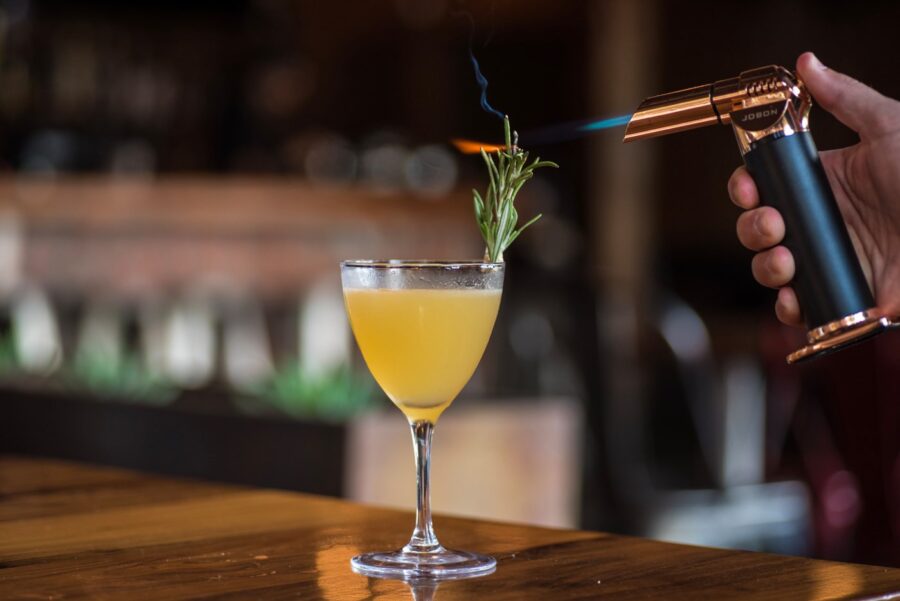
Your drinks are probably the highest-margin thing you sell and the easiest thing on your menu to photograph, yet most Bay Area restaurant feeds barely show the bar. Here is how to market your cocktail, beer and zero-proof program on social media: what to shoot, how to sell happy hour, which rules to respect, and what to measure.
Post a job in the Bay Area and you are competing with every restaurant within twenty minutes, plus a campus cafeteria that pays more. But the cook you want has already looked you up. Here is how Bay Area restaurants can turn an Instagram account into a recruiting and retention tool, what to post, how to post an opening, and what to measure.
Most Bay Area restaurants start posting the week they open, which is about eighty days too late. This playbook covers what to do with your social accounts before the lease is signed, how to turn the build-out and menu tests into content, the soft opening that doubles as a shoot, and the first thirty days that decide whether you built a restaurant or a moment.
Most Bay Area restaurants spend forty minutes on the photo and four seconds on the caption. The photo stops the scroll; the caption decides what happens next. Here is the 2026 playbook for writing restaurant captions that give every post one job, open with a real fact, and make one plain ask.
Your DoorDash and Uber Eats listings are a storefront, not a menu you uploaded once in 2021. This playbook covers shooting photos that win the thumbnail grid, reordering your menu around dishes that survive the drive, what San Francisco’s 15% commission cap actually covers, which promotions are worth running, and how to convert app orders into customers you own.
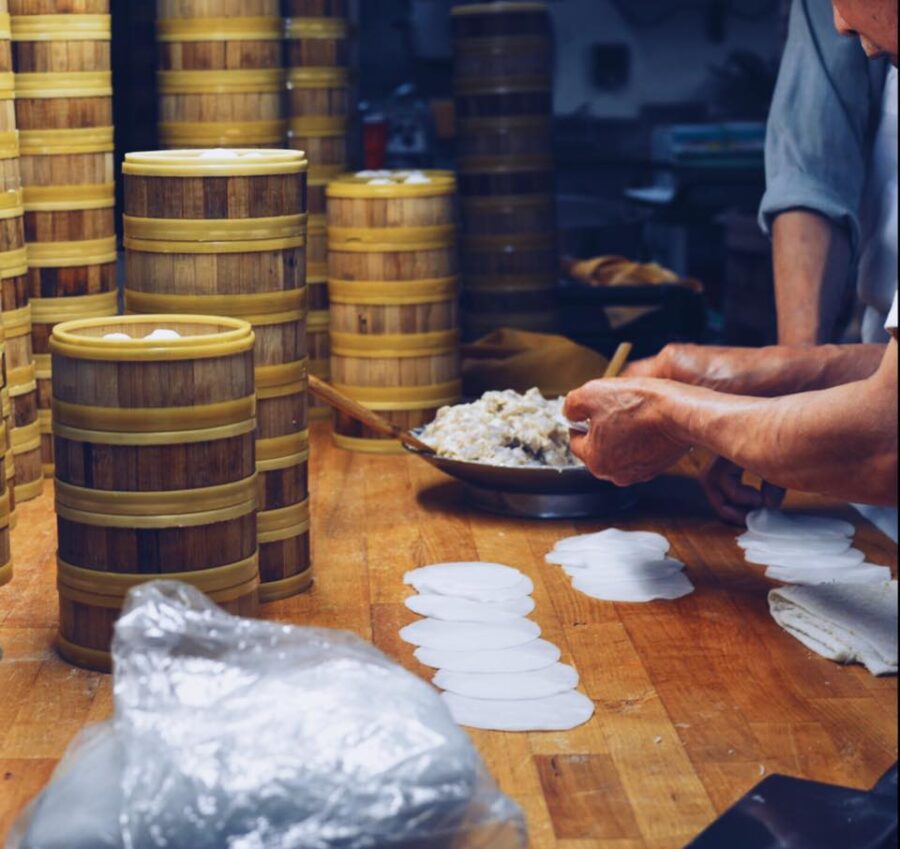
Your best restaurant content isn’t the plated hero shot, it’s the 6am prep, the wok flare, and the hands folding dumplings before doors open. This playbook covers the four moments worth filming every week, getting staff on camera respectfully, a ninety-second per-shift capture routine, shooting in bad kitchen light, and captions that turn goodwill into booked tables.
Opening a second or third Bay Area location should not triple your social media workload. This playbook covers whether to run one page or one per location, building a shared content bank that scales, the rotating shoot day that feeds every page, giving each general manager exactly one job, and launching a new location six weeks before you open.
Categories
Recent Posts
- Restaurant Loyalty Programs and Social Media: The 2026 Playbook for Turning Bay Area First-Timers into Regulars
- Restaurant Competitor Research on Social Media: The 2026 Playbook for Bay Area Restaurants
- Restaurant Social Media Crisis Management: The 2026 Playbook for Bay Area Restaurants Handling a Bad Viral Moment
- Marketing Your Bar and Drinks Program: The 2026 Social Media Playbook for Bay Area Restaurants
- Restaurant Hiring in the Bay Area: The 2026 Social Media Playbook for Recruiting and Keeping Staff