

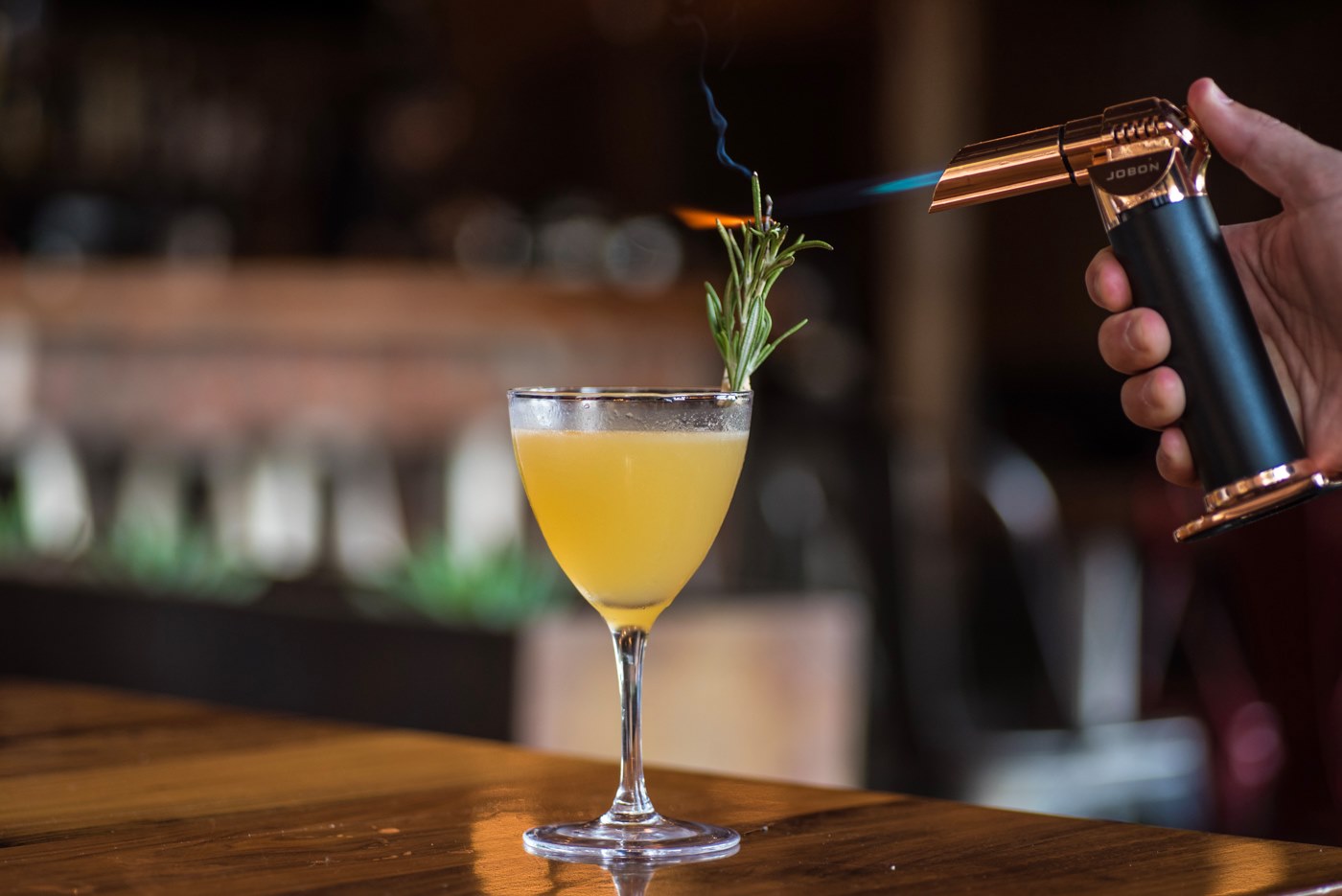
Walk into almost any Bay Area restaurant with a real bar and you will find the same quiet contradiction. The bartender just spent eight minutes building a drink with a smoked rosemary garnish, a hand-cut ice cube and a house syrup that took two days to make. Meanwhile, the restaurant’s Instagram grid is twenty-seven plates of food and one blurry photo of a margarita from last Cinco de Mayo.
That gap is costing you money. Drinks are usually the highest-margin thing you sell, they are the easiest thing on your menu to photograph, and they are the reason a lot of people choose one place over another on a Thursday night. Yet most restaurant accounts treat the bar like a side dish. Here is how to fix that — what to post, how to market happy hour without cheapening the room, and how to stay on the right side of the rules while you do it.
Your best margins are hiding behind the bar
Do the math on one extra round. Spirits pour costs commonly land somewhere in the high teens to low twenties as a percentage of menu price, while food often sits closer to thirty. That means a table that orders a second cocktail is doing more for your week than a table that adds a side. Every dollar of attention you spend making people want a drink is working harder than the same dollar spent on yet another hero shot of the entrée.
People decide on the drink first. Think about how a group chat actually picks a spot. Someone in the Marina wants somewhere with good cocktails before dinner. Someone in the Mission wants a mezcal list. A couple on the Peninsula wants a wine bar that also does real food. The drinks program is often the tiebreaker, and your feed is where that decision gets made. If your bar is invisible online, you are losing a decision you never knew you were in.
The bar is also your most repeatable reason to come back. A diner might try your signature dish once and move on. A good bar turns into a habit, a regular seat, a Tuesday thing. That is the kind of loyalty social media can build, but only if you give people something to follow besides the menu.
Why drinks are the easiest content you will ever shoot
Liquid photographs beautifully. Light passes through a glass and does half the work for you. A cocktail held up to a window in the late afternoon looks expensive on a phone camera with no editing at all. Food has to be plated, styled and shot fast before it dies. A drink sits there looking good for ten minutes.
Bartending is already a performance. The shake, the strain, the orange peel expressed over the glass, the torch catching a sprig of rosemary — ready-made moments before anyone has touched a phone. They come with motion and sound built in, which is exactly what short video rewards. Your bartender does these things forty times a night. All you have to do is point a phone at the fortieth one.
The bar has the best light in the building. Back bars are designed to glow. Bottles are lit from behind, the wood is warm, and there is usually a little depth behind the glass for that soft blurred background people associate with a nice night out. If your dining room is dark and your food shots always come out muddy, the bar is where your feed can finally look the way the room feels.
The five drink shots every bar program should own
The hero glass. One signature drink, alone, on the bar top, shot at eye level with the back bar blurred behind it. This is the photo that goes on your profile, your Google Business Profile and your menu page. Retake it every season. It should be the single best picture your restaurant has.
The build. Ten to fifteen seconds of the drink being made, from first pour to final garnish. Keep it tight, keep the bartender’s hands in frame, and let the sound of the shaker carry it. No voiceover required. This is the post most likely to be shared, because it feels like being at the bar.
The pairing. The drink next to the dish it belongs with. A spicy mezcal sour beside the carnitas, a crisp lager beside the fried chicken, a dry riesling beside the dumplings. This is where the bar stops being a separate business and starts raising the check on every table.
The bartender. Not a stock smile, a real person talking about why they built the drink. Thirty seconds on how they came up with the house syrup does more for your bar than any caption you could write, and it gives regulars a name to ask for.
The room. A wide shot of the bar at 7:30 on a busy night, people leaning in, glasses catching the light. This is the proof shot. It tells a stranger scrolling in the Inner Sunset or across the bridge in Oakland that this is where the night is happening, which matters more than any single drink.
Happy hour is a product, so market it like one
Stop posting a flyer. The most common happy hour post in the Bay Area is a graphic with a list of prices, a clip art martini and the hours in a font nobody can read on a phone. It gets ignored, because it looks like an ad and says nothing about why your happy hour is worth leaving work for. Show the actual drinks and the actual food instead, and put the details in the caption.
Give it a name and a hook. “Happy hour” is a category. “The 4:30 Club” or “Negroni Hour” is a product people can remember and tell a friend about. The best happy hours in SoMa and the Financial District win because they feel like an invitation to a specific thing, not a discount on a general thing.
Post at the moment of decision. Happy hour is decided somewhere between two and four in the afternoon, usually by someone at a desk who is done with the day. A Story at 3 p.m. showing the bar being set up does more work than a grid post at 9 a.m. that nobody remembers by the time they log off. Match your timing to when people are actually choosing.
Use it to fill the room you already have. Happy hour is one of the cleanest tools for your slowest hours. If Tuesday at five is dead in your Outer Richmond dining room, that is not a food problem. It is a reason-to-come problem, and a good drinks offer with a strong post behind it is often the cheapest fix available.
Zero-proof deserves its own spotlight
A growing share of your guests are not drinking alcohol tonight. Some never do, some are driving back to the North Bay, some are just taking a month off — and all of them still want something good in the glass. If your non-alcoholic options are soda water with lime, you are telling a real portion of your room that the bar is not for them, and they will notice.
Treat the mocktail like a cocktail. Same glassware, same garnish, same care in the photo. A zero-proof drink built with house syrups and fresh citrus photographs just as well as anything with a spirit in it, and it opens your drinks content to audiences who would scroll past a whiskey post. It also gives you something to post that works for lunch, for families and for brunch.
Say it out loud. A simple, confident post that says “we take zero-proof seriously” is still unusual enough to stand out. In the health-conscious corners of the Peninsula and the South Bay especially, this is the kind of post that tends to earn saves and shares out of proportion to the effort it took.
Stay on the right side of the rules
Paid alcohol content gets age-gated. If you boost a drinks post or run it as an ad on Meta’s platforms, alcohol promotion in the U.S. has to be targeted to people 21 and older. Build that into your targeting from the start rather than finding out when an ad gets rejected. Instagram also lets professional accounts set a minimum age for who can see the profile, which is worth considering if the bar is the center of your brand.
Promote the craft, never the quantity. Content that celebrates how much people drink, how fast, or how cheaply does not age well and invites the wrong crowd. Posts about flavor, technique, pairings and atmosphere sell the same drinks without the risk. If a video would make a parent wince, skip it.
Check anything that sounds like a giveaway. California’s Department of Alcoholic Beverage Control has specific rules around free drinks and certain kinds of promotions. Before you post a contest, a free round or a sponsored collaboration with a spirits brand, run it past whoever handles your license. Five minutes of checking is cheaper than an awkward phone call later.
What to measure, and what to ignore
Watch saves and shares, not likes. A like on a cocktail photo is a reflex. A save means someone wants to come back to it, and a share usually means someone just sent it to the friend they are going out with. Those two numbers tell you which drinks are actually driving visits.
Track drinks per cover in your POS. This is the number that matters. If your average table was ordering 1.2 drinks per guest before you started posting the bar and it is 1.4 three months later, that is real money, and you can see it without a single analytics dashboard. Look at the specific drinks you featured, too. A post that works should show up as a bump in that drink’s sales within a week or two.
Listen for the order. Ask your bartenders to notice when someone orders a drink by pointing at their phone or saying they saw it online. It is informal, but it is the clearest signal you will ever get that the content is working, and bartenders love being asked.
Start with one drink this week
You do not need a new content plan. Pick the one drink you are proudest of. Shoot the hero glass in the best light at the bar and a fifteen-second build on a slow afternoon. Post the build as a Reel and the hero glass on your grid and your Google profile. That is one afternoon of work, and it will likely outperform half of what you posted last month.
Then make it a rhythm. One drinks post a week alongside your food content is enough to change how people see your restaurant. Over a few months your feed stops looking like a menu and starts looking like a night out, which is what people are actually shopping for.
If your restaurant has a bar program you are proud of and a feed that does not show it, anywhere from the Mission to the East Bay to the South Bay, that is one of the fastest gaps to close. Metaroots works with Bay Area restaurants on exactly this kind of content, from shooting the drinks to deciding what goes out and when, and we are happy to look at what you are posting now and tell you honestly what is missing. Get in touch and we will take a look.