

Every Bay Area restaurant has them. The couple in the Inner Sunset who take the same two-top every Thursday. The guy in SoMa who orders before he sits down. The family in the East Bay who have celebrated three birthdays in your back corner. Nobody hired them as your marketing department, but that’s what they are: they fill your slow nights, they bring their friends, and they write the reviews that convince strangers to try you. Most restaurants spend almost all of their social energy chasing new faces and almost none on the people who already love them. That’s backwards, and this playbook is about fixing it.
The math is quiet but brutal. A first-time guest costs you real money to attract: the Reel you filmed, the ad you boosted, the influencer you fed. If they never come back, you paid full price for a single check. A regular costs you almost nothing to bring in again, already knows what to order, and tends to spend more per visit because they trust the menu. Whether you run a ramen counter in the Outer Richmond or a wine bar in Palo Alto, the restaurants that last are the ones where a meaningful share of tonight’s covers are people who were also here last month.
Social media is the bridge between visit one and visit five. The first visit is usually driven by discovery: a post, a friend, a search. What happens next depends on whether that guest feels like they belong somewhere. A good loyalty program gives them a reason to return, and a good social presence gives them a feeling of being part of something. You need both, and they work best when they’re designed together.
Why most restaurant loyalty programs quietly fail
They’re discounts wearing a costume. “Ten percent off your next visit” trains guests to wait for a coupon, and it teaches them that your food is worth less than the menu says. The guests who respond most to discounts are often the least loyal ones, because they’ll follow the next deal down the block.
They ask for too much up front. Nobody in the Marina wants to download another app to earn a free appetizer in eleven visits. Every extra step between “I like this place” and “I’m in your program” loses people. The paper punch card has its own problem: it lives in a wallet until it goes through the wash.
Nobody tells anyone it exists. This is the most common failure we see. The owner sets up the loyalty module in the POS, mentions it once on Instagram, and then wonders why sign-ups flatline. A program nobody hears about is not a program. It’s a setting.
Pick a structure that fits how people actually eat with you
Visit-based programs suit high-frequency spots. If guests come weekly, like a coffee shop, a lunch counter or a neighborhood pho place, counting visits is simple and feels fair. Keep the goal close enough to reach in a month or two, not a year.
Spend-based programs suit bigger, less frequent checks. A dim sum house or a special-occasion steakhouse sees guests less often but for larger tables, so points tied to spend reward the family that brings eight people for Sunday lunch more fairly than a visit count would.
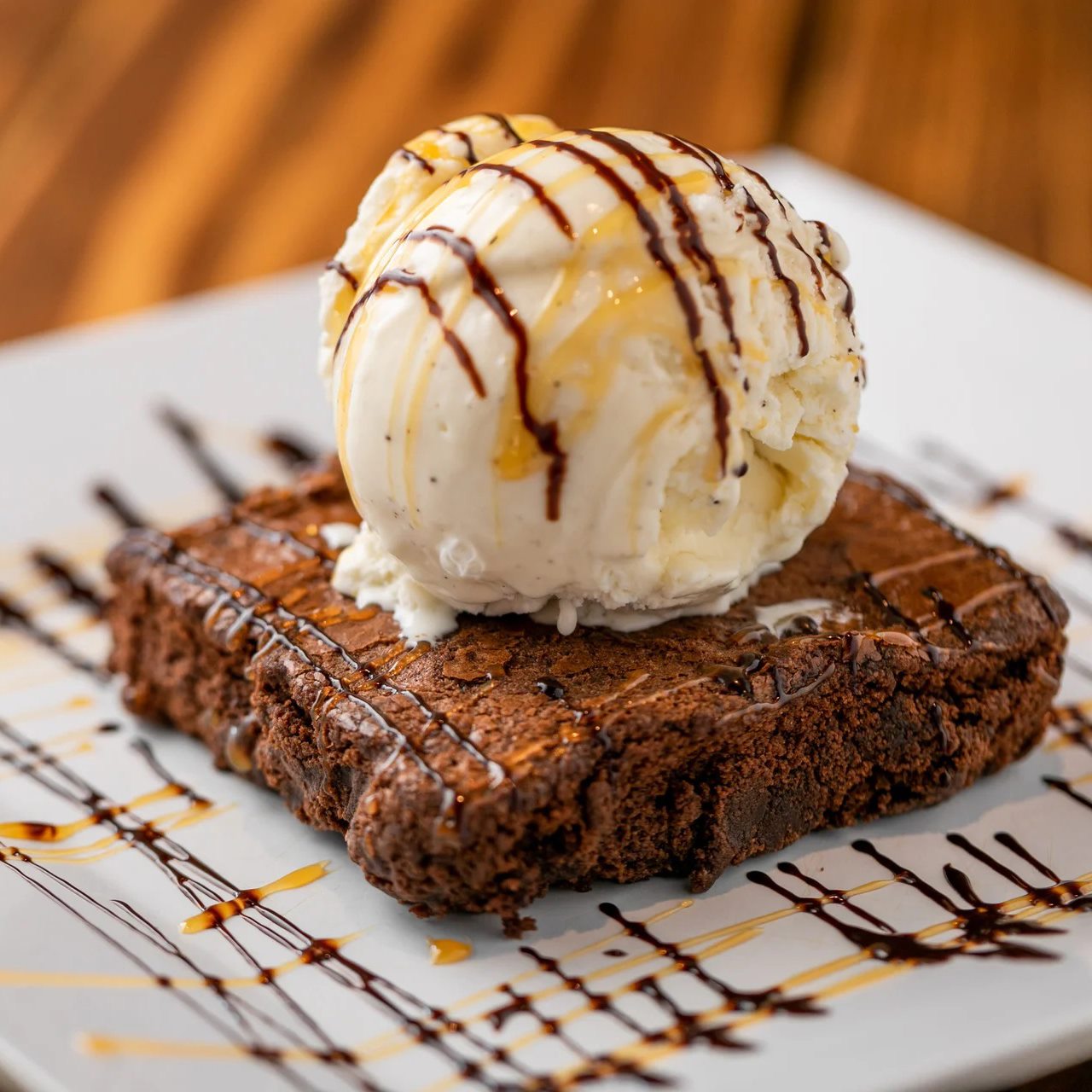
Surprise-and-delight works almost anywhere. No points, no tiers, just a server who remembers a face and sends out a warm brownie with a scoop of vanilla on the house. It costs a few dollars and buys a story the guest will tell for weeks. If you only do one thing from this post, do this, and do it on purpose rather than by accident.
A small VIP tier gives your best guests somewhere to go. Once someone has been in a dozen times, a separate circle with early access and first tastes keeps them feeling special instead of plateaued. Most modern POS systems, including Toast and Square, have loyalty features built in, so start with what your system already does before paying for another tool.
Make the reward feel like belonging, not a coupon
Access beats money. The rewards regulars remember are the ones money can’t easily buy: a seat at the chef’s counter on a Saturday, the first plate of the new seasonal dish before it hits the menu, a reserved table on the night you’re usually booked solid. A Mission taqueria that lets its regulars vote on next month’s special is building loyalty that a five-dollar credit never will.
Off-menu items are the ultimate insider perk. A dish that only regulars know to ask for turns your best guests into evangelists, because now they have something to show off when they bring friends. Bonus: a “secret menu” is also great content, as long as you let it leak slowly.
Name the thing. “Rewards program” sounds like a bank. “The Thursday Club,” “Family Table” or “Friends of the Kitchen” sounds like a place people want to be. The name will show up in every post, sign and server script you write, so give it some personality that matches your room.
Put your regulars on your feed (with permission)
Regular spotlights are some of the warmest content you can post. A photo of the couple celebrating their hundredth visit, a short clip of a longtime guest explaining why they always order the short rib, a carousel of “our regulars’ orders” with first names and favorite dishes. This content works because it’s social proof that feels human rather than polished. A stranger scrolling in Walnut Creek doesn’t just see food; they see people who keep coming back.
Always ask first, and make it easy to say no. Some guests love the spotlight. Others come to you precisely because it’s their quiet place. A quick “mind if we feature you?” at the table, followed by a first name only unless they offer more, keeps the goodwill intact. Never post a guest who didn’t agree to it, and never tag their personal account without asking.
Celebrate milestones publicly. Anniversaries of a first visit, a regular’s birthday dinner, the day someone hits the top tier of your program. A simple Story with a sticker and a thank-you tells every follower that loyalty here gets noticed. And when regulars post about you themselves, reshare it; we cover how to make that a habit in our guide to user-generated content.
Use social to sign people up, not just to announce the program
Show the program in action instead of describing it. “Join our rewards program!” gets scrolled past. A Reel of a server sliding a surprise dessert to a member, with a caption explaining how they earned it, gets saved and shared. Make the perk visible and the sign-up explains itself.
Put the sign-up one tap away, everywhere. A link sticker in Stories, a line in your bio link, a pinned post on your grid, and a QR code on the check presenter or the table tent. Social can spark the interest, but the table is where most people actually join, so the two need to point at the same simple sign-up. Once someone joins, the ongoing messages belong in email and text; our email and SMS playbook covers what to send and how often.
Give followers a reason to become guests. A members-only tasting night announced on Instagram, with a limited number of seats, turns passive followers into first-timers and first-timers into members. It works especially well for Peninsula and North Bay spots that rely on a loyal local base rather than tourist traffic.
Your staff are the program
Recognition happens at the host stand, not in the app. The best loyalty software in the world can’t replace a host who says “welcome back, the usual table?” Train your team to recognize returning faces, note preferences in the reservation system and mention the program naturally when a guest says they’ll be back. Two sentences, not a sales pitch.
Let staff feed the content pipeline. Servers know which regulars would love to be featured and which ones would hate it. They hear the stories: the first date that turned into a wedding, the grandmother who taught the chef a better way to fold dumplings. Give them an easy way to pass those moments along, and your best posts will write themselves.
Reward the team when the program works. A small bonus for sign-ups or a shout-out for the server whose regulars rave about them in reviews keeps the program alive after the launch excitement fades. Programs die when the floor stops caring.
Measure what loyalty is actually doing
Track return visits, not sign-ups. A thousand members who never come back are worth less than a hundred who come monthly. Your POS can usually show how many guests made a second visit within a set window, and that number is the honest scorecard for the whole effort.
Watch redemption and check size together. If nobody redeems, the reward is too far away or too boring. If everyone redeems and check sizes drop, you’ve built a discount program by accident. Healthy programs see members redeem steadily and spend a bit more per visit than non-members.
Connect your posts to your covers. When a regular spotlight or a members-only night drives sign-ups, you should be able to see it. A unique sign-up link per platform, or simply asking “how did you hear about the club?” at the table, tells you which content earns its keep. Our guide to restaurant social media analytics walks through the numbers worth watching and the ones to ignore.
Turn your next first-timer into a regular
New guests will always matter, but the restaurants that thrive in the Bay Area, through slow Januarys, rent hikes and the latest hot opening down the street, are the ones whose regulars would be heartbroken if they closed. Building that kind of loyalty takes a program people understand, rewards that feel personal, a team that notices, and a social presence that makes your regulars the stars instead of the afterthought. If you’d like help designing a loyalty program and the content that brings it to life, from the name to the spotlights to the sign-up flow, get in touch and let’s talk about turning more of your first-timers into family.