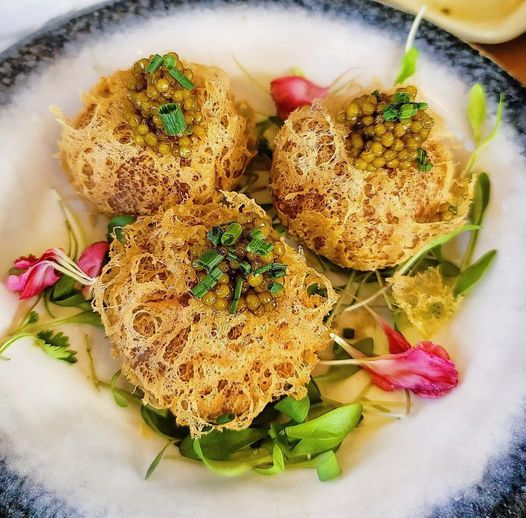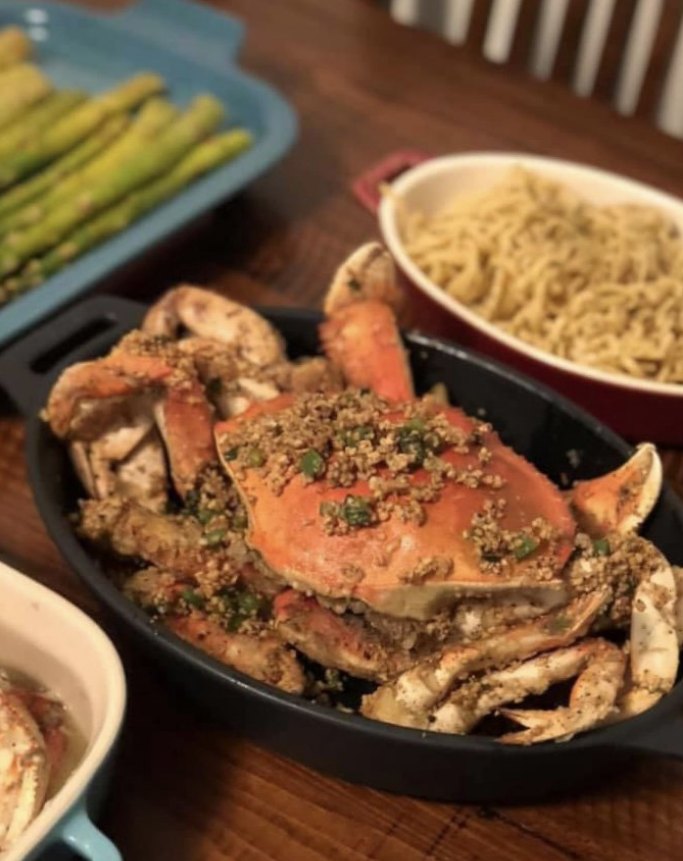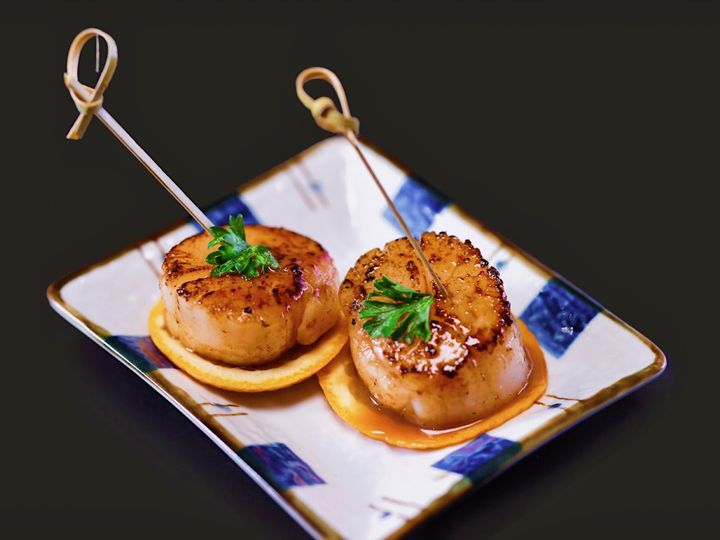

Catering and private events are the highest-margin revenue most Bay Area restaurants never market. This playbook covers how to package and price catering, build a catering page Google can find, shoot content that sells volume instead of plating, win recurring corporate accounts, and reply fast enough to actually book the event.
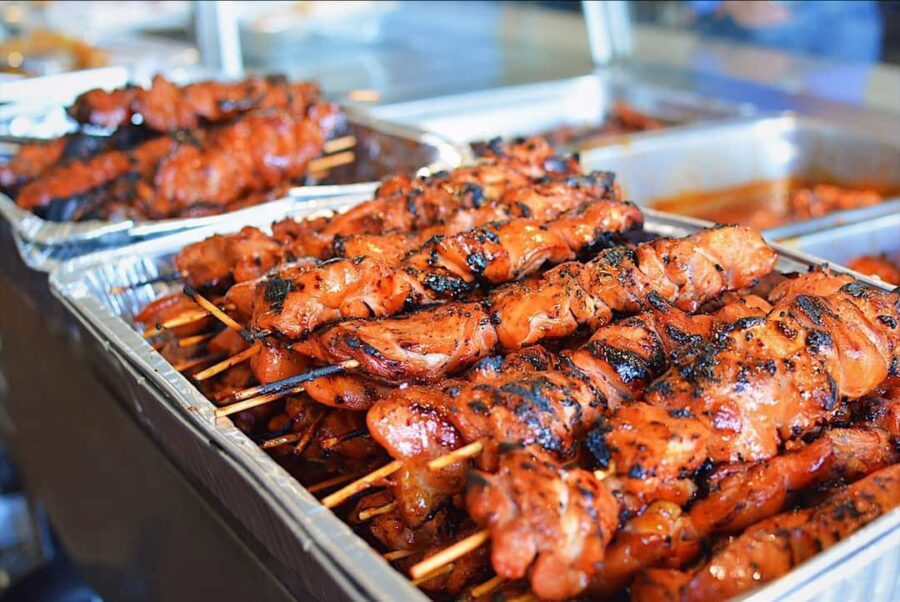
Restaurant social media — tips, playbooks, and Bay Area case studies
Your follower count is lying to you. Here is the 2026 playbook for Bay Area restaurants on reading the social media metrics that actually predict booked tables – saves, shares, reach, profile visits, and Google direction requests – in a five-minute weekly habit.
Most Bay Area restaurants make social media harder than it needs to be by producing it one panicked post at a time. Content batching flips that: one focused afternoon of shooting, writing, and scheduling buys a whole month of consistent posts. Here’s the exact system we use to fill a calendar — and reclaim your nights.
Boosting a post is not advertising — it is a donation. Here is how Bay Area restaurants should actually spend a few hundred dollars a month on Instagram and Facebook ads in 2026: two campaigns, a tight radius, the creative that already won, retargeting the warm crowd, and the three cases where we tell owners not to run ads at all.
Everyone in Bay Area restaurant marketing chases TikTok and Reels while Facebook quietly books the tables that pay the rent. This 2026 playbook shows you how to turn the platform everyone writes off into a reservation engine — optimizing your Page, running Events, working local neighborhood groups, earning recommendations, posting for the right audience, and boosting smart without wasting a dollar.
Most Bay Area restaurants treat every holiday like an ambush instead of an appointment. This 2026 playbook shows you how to turn the calendar — Valentine’s, Mother’s Day, crab season, Lunar New Year, and the local beats only your neighborhood feels — into a steady stream of booked tables, with a six-week campaign runway and a hero dish for every season.
Your menu is the most powerful marketing asset your restaurant owns — and most Bay Area restaurants treat it like a price list. Here’s the 2026 playbook for turning your best dishes into booked tables: choosing a hero dish, designing plates that travel on a phone, running limited-time drops that create urgency, and connecting every craving to a reservation.
Your restaurant’s Instagram and Facebook DMs aren’t a chore — they’re the highest-intent booking channel you’ve got, and most Bay Area restaurants let them go cold. Here’s the 2026 playbook for answering in minutes, turning comments and Story replies into reservations, recovering complaints before they hit Yelp, and saving every contact you make.
Your social media gets diners through the door once — then most Bay Area restaurants let them walk out anonymous and never come back. Email and SMS are how you close that leak. Here’s the retention playbook we run with restaurants from the Inner Sunset to the Peninsula: what to collect, when to text versus email, and the five messages that turn one-time diners into regulars.
Star ratings decide more covers than your menu or your Reels. This 2026 playbook shows Bay Area restaurants how to turn Yelp and Google reviews into a reservation engine: how to ask happy customers without breaking platform rules, respond to good and bad reviews like a human, and recycle your best reviews into social content.
Categories
Recent Posts
- Restaurant Loyalty Programs and Social Media: The 2026 Playbook for Turning Bay Area First-Timers into Regulars
- Restaurant Competitor Research on Social Media: The 2026 Playbook for Bay Area Restaurants
- Restaurant Social Media Crisis Management: The 2026 Playbook for Bay Area Restaurants Handling a Bad Viral Moment
- Marketing Your Bar and Drinks Program: The 2026 Social Media Playbook for Bay Area Restaurants
- Restaurant Hiring in the Bay Area: The 2026 Social Media Playbook for Recruiting and Keeping Staff