
Most Bay Area restaurants start posting the week they open, which is about eighty days too late. This playbook covers what to do with your social accounts before the lease is signed, how to turn the build-out and menu tests into content, the soft opening that doubles as a shoot, and the first thirty days that decide whether you built a restaurant or a moment.
Restaurant social media — tips, playbooks, and Bay Area case studies
Most Bay Area restaurants spend forty minutes on the photo and four seconds on the caption. The photo stops the scroll; the caption decides what happens next. Here is the 2026 playbook for writing restaurant captions that give every post one job, open with a real fact, and make one plain ask.
Your DoorDash and Uber Eats listings are a storefront, not a menu you uploaded once in 2021. This playbook covers shooting photos that win the thumbnail grid, reordering your menu around dishes that survive the drive, what San Francisco’s 15% commission cap actually covers, which promotions are worth running, and how to convert app orders into customers you own.
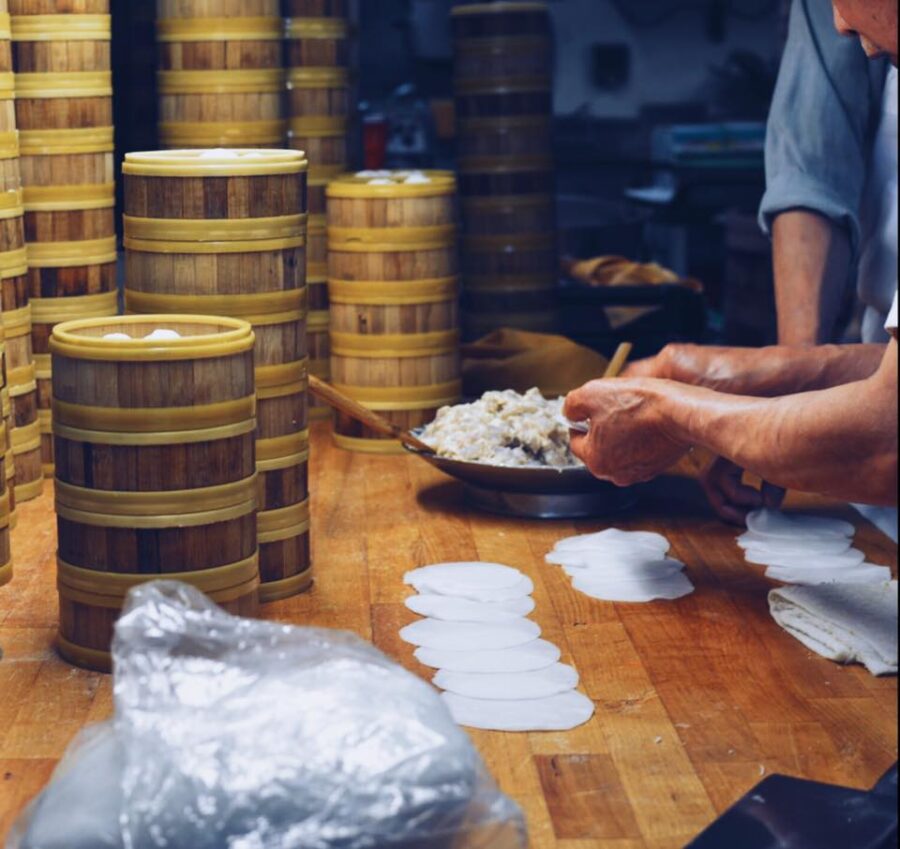
Your best restaurant content isn’t the plated hero shot, it’s the 6am prep, the wok flare, and the hands folding dumplings before doors open. This playbook covers the four moments worth filming every week, getting staff on camera respectfully, a ninety-second per-shift capture routine, shooting in bad kitchen light, and captions that turn goodwill into booked tables.
Opening a second or third Bay Area location should not triple your social media workload. This playbook covers whether to run one page or one per location, building a shared content bank that scales, the rotating shoot day that feeds every page, giving each general manager exactly one job, and launching a new location six weeks before you open.
Catering and private events are the highest-margin revenue most Bay Area restaurants never market. This playbook covers how to package and price catering, build a catering page Google can find, shoot content that sells volume instead of plating, win recurring corporate accounts, and reply fast enough to actually book the event.
Your follower count is lying to you. Here is the 2026 playbook for Bay Area restaurants on reading the social media metrics that actually predict booked tables – saves, shares, reach, profile visits, and Google direction requests – in a five-minute weekly habit.
Most Bay Area restaurants make social media harder than it needs to be by producing it one panicked post at a time. Content batching flips that: one focused afternoon of shooting, writing, and scheduling buys a whole month of consistent posts. Here’s the exact system we use to fill a calendar — and reclaim your nights.
Boosting a post is not advertising — it is a donation. Here is how Bay Area restaurants should actually spend a few hundred dollars a month on Instagram and Facebook ads in 2026: two campaigns, a tight radius, the creative that already won, retargeting the warm crowd, and the three cases where we tell owners not to run ads at all.
Everyone in Bay Area restaurant marketing chases TikTok and Reels while Facebook quietly books the tables that pay the rent. This 2026 playbook shows you how to turn the platform everyone writes off into a reservation engine — optimizing your Page, running Events, working local neighborhood groups, earning recommendations, posting for the right audience, and boosting smart without wasting a dollar.
Categories
Recent Posts
- Opening a Restaurant in the Bay Area: The 2026 Social Media Playbook for Your First 90 Days
- Restaurant Caption Writing for Bay Area Restaurants: The 2026 Playbook for Words That Turn Scrolls Into Tables
- Delivery App Marketing for Bay Area Restaurants: The 2026 Playbook for Turning Third-Party Orders into Customers You Actually Own
- Behind the Scenes Content for Bay Area Restaurants: The 2026 Playbook for Turning Your Kitchen and Your Team Into Your Best Posts
- Multi-Location Restaurant Social Media in the Bay Area: The 2026 Playbook for Running Three Pages Without Tripling the Work